
Your cart is currently empty!


Long before skincare routines came in glass jars and viral routines, the people of Bali were already using boreh — a homemade herbal body scrub that warms the skin, eases sore muscles, and prevents colds during the rainy season.
Still used in villages and traditional healing centers, boreh is one of Bali’s best-kept secrets in natural wellness.
What Is Boreh?
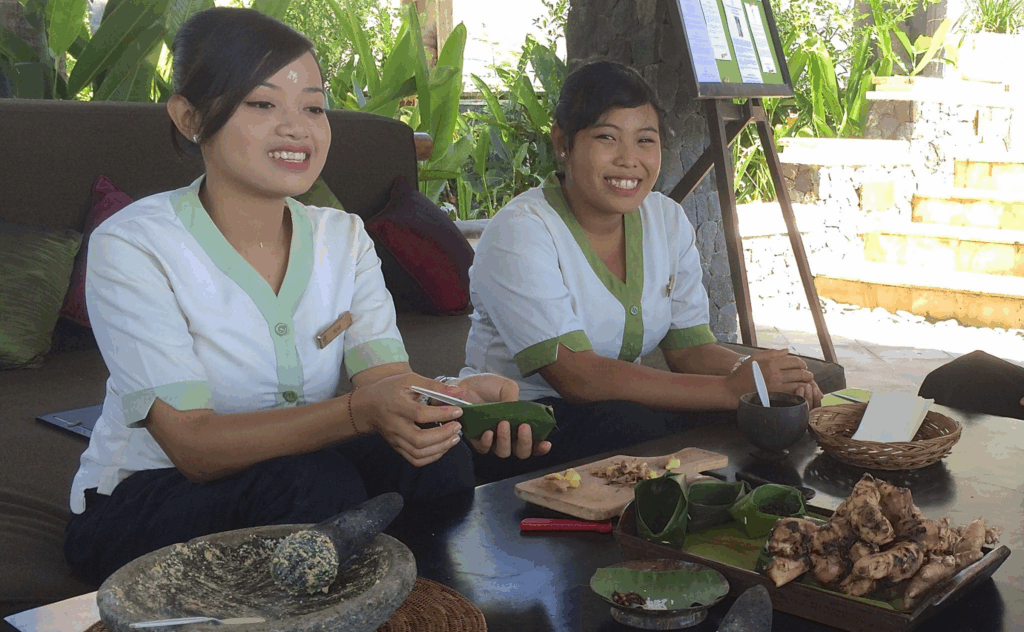
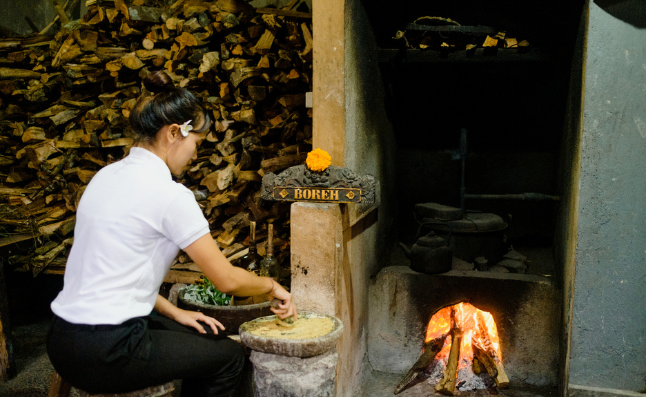
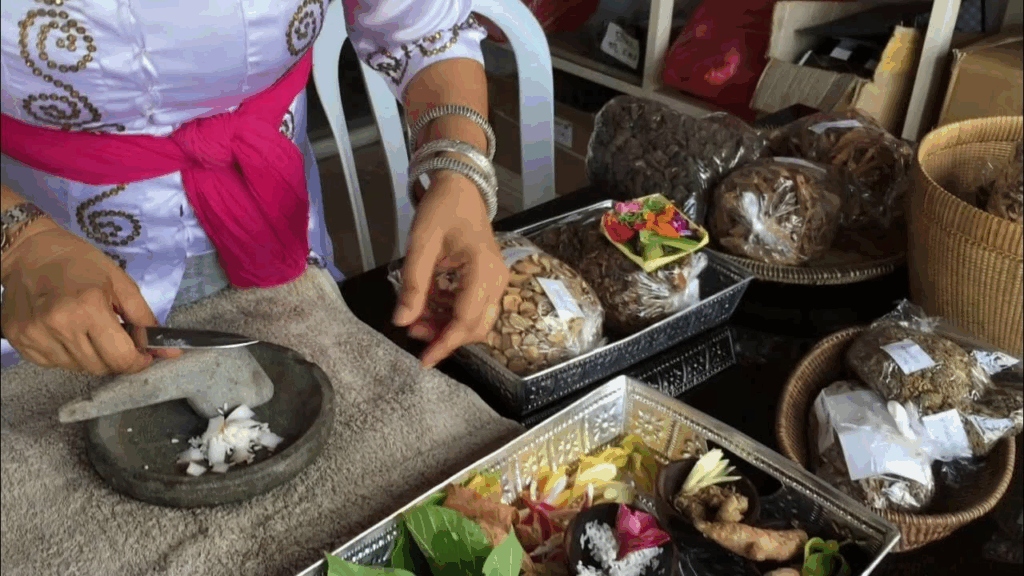
Boreh (pronounced bo-ray) is a paste made from crushed spices, roots, and herbs — typically ginger, galangal, turmeric, clove, cinnamon, and rice. It’s mixed with water to form a thick paste and applied to the body as a scrub and body mask.
Unlike modern exfoliants that focus only on skin texture, boreh is designed to warm the body, stimulate circulation, and even help with early symptoms of colds or fatigue.
Origins in Farmers’ Rituals
The origin of boreh is humble. Balinese farmers created it to recover from cold nights and physical exhaustion after working long hours in rice fields. The warmth from the paste helped soothe muscles, while the herbs kept illness at bay.
It wasn’t a luxury — it was survival. A form of self-care born from necessity.
Over time, boreh was adopted into spa treatments, but in its essence, it remains a ritual of resilience.
Benefits of Boreh for Skin & Body
- Natural exfoliation from ground rice removes dead skin gently
- Clove and ginger provide a warming sensation and improve circulation
- Turmeric and galangal have antibacterial properties, useful for skin clarity
- Aromatherapeutic: The scent of boreh can be calming, grounding, and mentally clarifying
Unlike synthetic scrubs, every ingredient in boreh comes from the earth — and many are still grown in Balinese home gardens.
How It’s Used Today
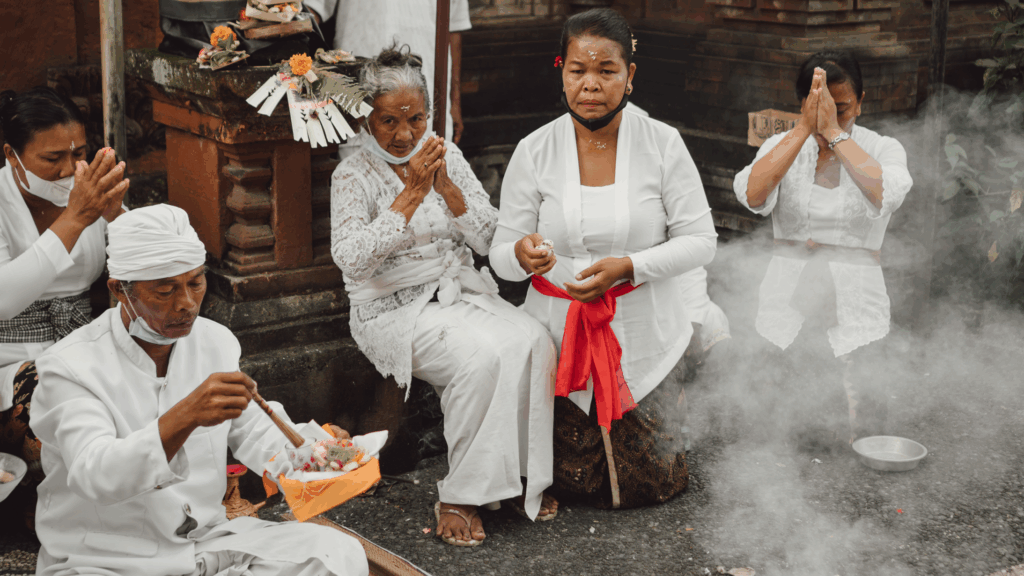
In traditional treatments, boreh is applied warm, left to sit for 20–30 minutes, then gently rinsed with herbal-infused water. You’ll often find it offered in Balinese wellness retreats during the rainy season.
At home, modern versions of boreh may come in powdered form or pre-mixed jars — but the ritual stays the same: warmth, stillness, and letting the body breathe.
Cultural Note
Boreh isn’t just a beauty treatment. It’s intergenerational knowledge, passed from elders to grandchildren, from farmers to herbalists. It’s as much about healing the body as it is about keeping traditions alive.

Leave a Reply